ABOUT THE CURRICULUM

THERE ARE THREE PARTS TO THE CURRICULUM
- Parent Skills Training
-
Child & Teen Skills Training
The separate parent, child, and teen curriculum each contain 3 books: The teaching manual and teaching aid pages for the instructor to use, and the lesson handout book for the participants.
-
Family Skills Training
The family group manual contains activities for the families to practice together for each of the lessons in the curriculum.
TEACHING AID PAGES
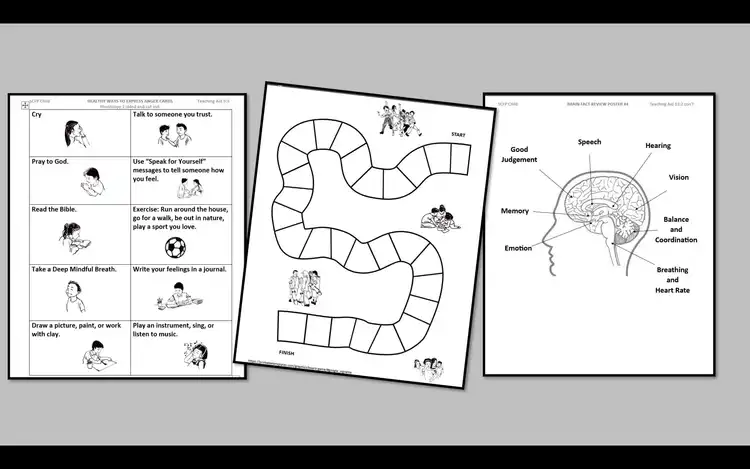
All teaching aid pages are located in the Teaching Aid Pages book. The teaching aid pages are helps for the teacher. This includes things like demonstration cards to use for role-plays, game cards, activity instructions, or Bible verses and posters that the teacher can choose to cut out and use in the lesson.
HANDOUTS
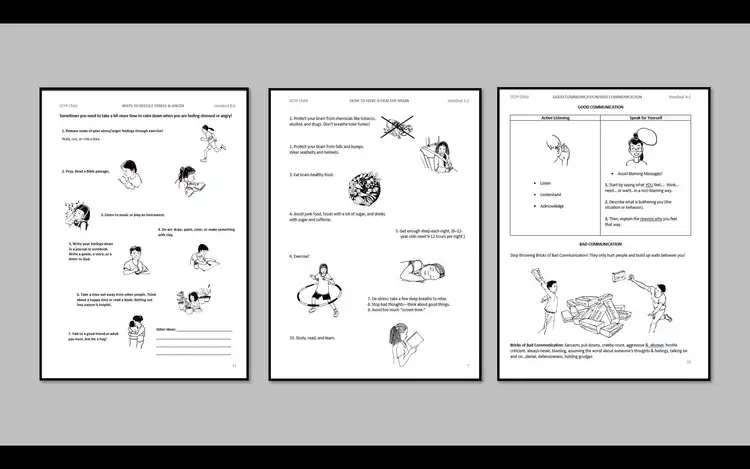
Parent, teen, and child handouts are included in separate handbooks. If your organization is not able to give each participant their own handbook, you can selectively photocopy the handouts that you plan to use and give them out separately. If you are teaching in a less-literate context, the teacher can use the information on the handouts to plan a more interactive or story-based lesson.
LESSON TOPICS
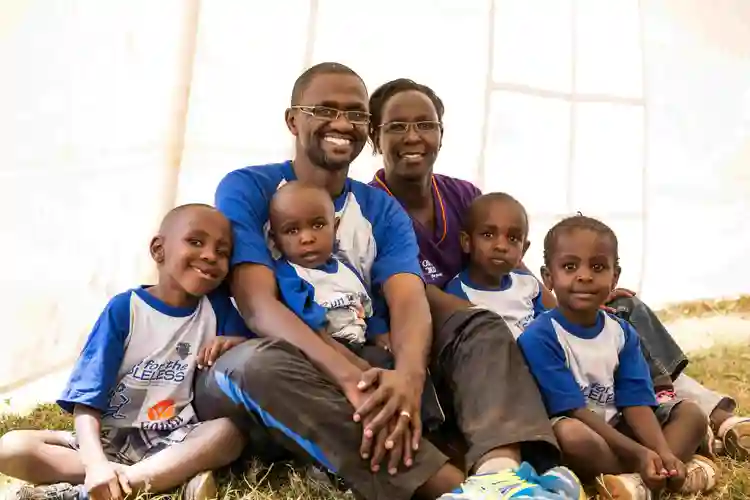
BONDING & CONNECTION LESSONS (1-7)
To bond and connect with your children is to create warm, loving relationships so that they have a sense of feeling safe, valued, respected, and loved. Bonding promotes trust, which makes children more likely to want to learn and cooperate. It improves family communication.
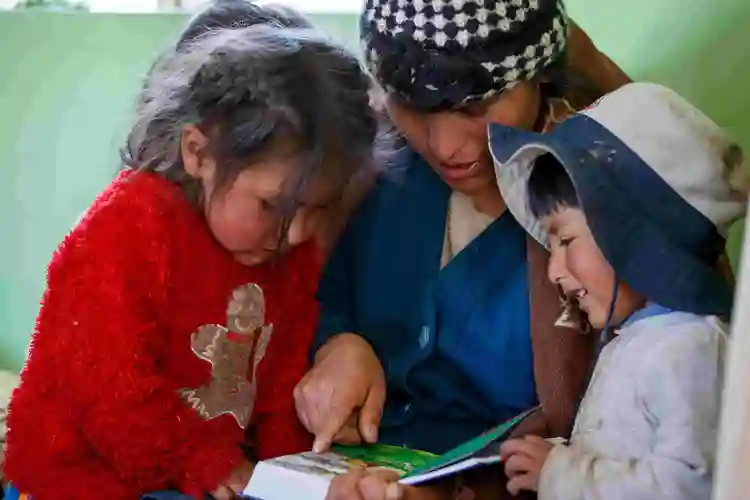
Bonding & Connection Lesson Topics for Parents, Children, and Teens
1. What makes a healthy child / healthy brains
2. Notice and compliment the good daily
3. How to express love to your family (and use praise for good behavior):
4. Communicate with love and understanding
5. Communication and Family Meetings
6. How to manage emotions, stress and anger
7. Apologizing and forgiveness
BOUNDARIES & FAMILY MANAGEMENT LESSONS (8-12)
These lessons involve practical ideas for making family rules, having fair consequences for disobeying the rules, and rewarding good behavior.
They also include teaching age-appropriate responsibilities and establishing family routines to manage your household well, make sure important things get done, and reduce stress. The children and teens learn about understanding the reasons behind their family rules, accepting parental boundaries, and showing their parents’ respect.
In this set of lessons, they also learn about self-control, staying calm in consequences, giving and receiving constructive criticism, setting goals for their futures, how to delay gratification to help them reach their goals, and problem solving and negotiation skills. This includes refusal skills: how to say “no” to stay out of trouble.
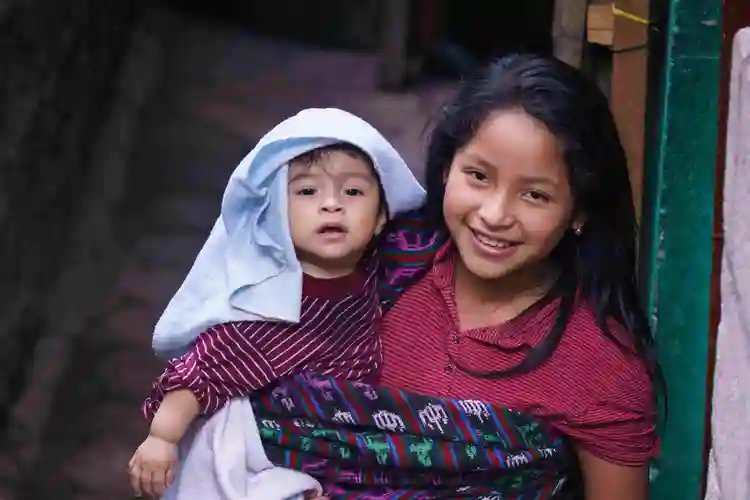
Boundaries & Family Management Lesson Topics for Parents
8. Family management and rewarding good behavior
9. Positive Discipline (Part 1): The 7 Steps of Positive Discipline
10. Positive Discipline (Part 2): Make a Behavior Plan for Your Children
11. Positive Discipline (Part 3): Goals and Contracts to change behavior
12. Problem-solving and negotiation skills
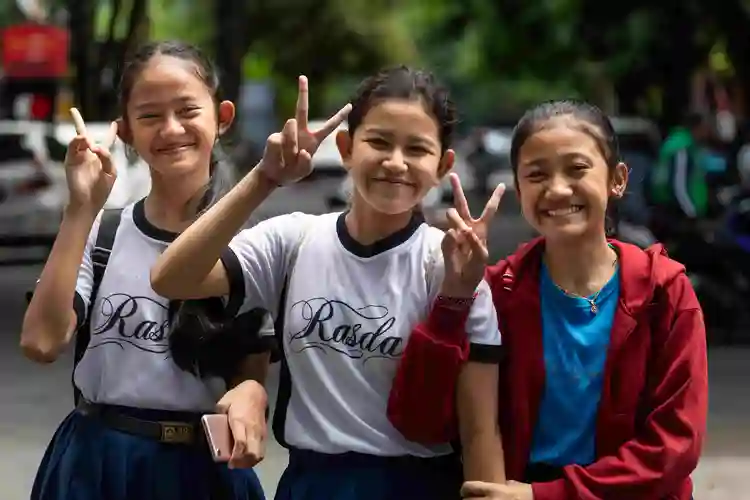
Boundaries & Family Management Lesson Topics for Children and Teens
8. Rules, responsibilities, routines and rewards
9. Accepting parental boundaries
10. Following instructions and other social skills
11. Goals and contracts to change behavior
12. Problem-solving and negotiation skills
MONITORING/SELF-REGULATION LESSONS (13-16)
Monitoring is knowing where your children are, who they are with, and what they are doing. It is making sure they stay away from dangerous activities, including tobacco, alcohol, and other drug use. It is also teaching your children self-regulation skills and helping them to learn to make healthy choices for their lives that will last beyond the years of their childhood or times that you are present with them.
When a child learns self-regulation skills, they are better able to manage their emotions, thoughts, and behaviors. These skills help them to be more empathetic, reliable, and considerate towards other people. This improves their relationships and also gives them more success in school and later on in the workplace.
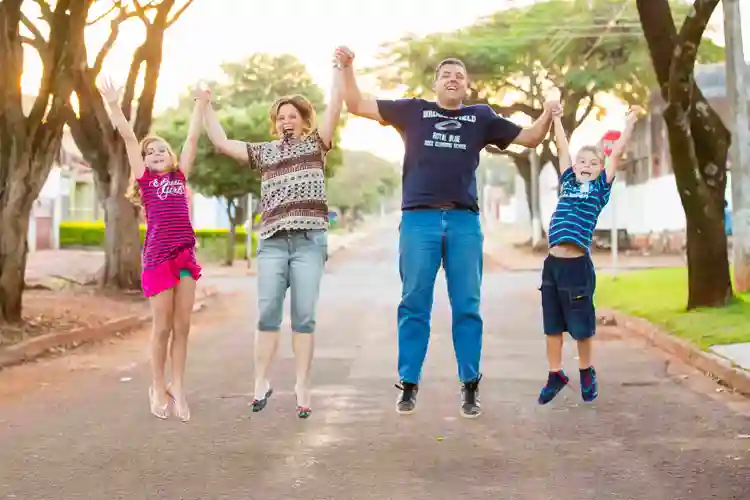
Monitoring Lesson Topics for Parents
- Monitoring to Protect Your Children (Part 1)
⯈The effects of alcohol on the brain - Monitoring to Protect Your Children (Part 2)
⯈Monitoring for drug use and addiction - Monitoring to Protect Your Children (Part 3)
⯈Monitoring emotional well-being and screen time - Monitoring to Protect Your Children (Part 4)
⯈Monitoring friends, social activities, and dating
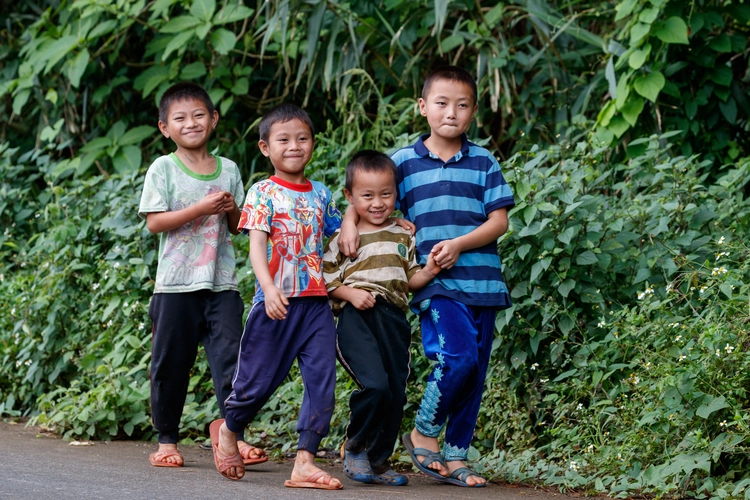
Self-Regulation/Self-Monitoring Lesson Topics for Children and Teens
13. Monitor Yourself for a Safe and Healthy Life (Part 1)
⯈Alcohol can damage your brain
14. Monitor Yourself for a Safe and Healthy Life (Part 2)
⯈The dangerous effects of drug use and addiction on your body
15. Monitor Yourself for a Safe and Healthy Life (Part 3)
⯈Emotional well-being and online screen time
16. Monitor Yourself for a Safe and Healthy Life (Part 4)
⯈Choose good friends and healthy social activities
OTHER LESSONS TO BUILD RESILIENCY AND COMMUNITY (17-18)
17. Purpose in Life
18. Values, Traditions and Service
HOME PRACTICE
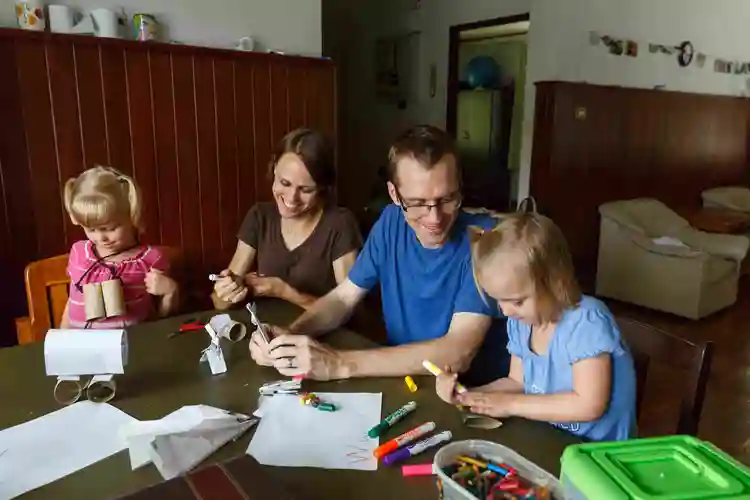
Families will learn the skills best if they do the home practice ideas assigned at the end of each lesson. Encourage them to use their new skills throughout the week. At the beginning of each class, take a few minutes to discuss the home practice from the previous week before moving on to the new topic.
INSTRUCTION AND FACILITATION
Ideally, the family is taking this class together.
Each lesson in this curriculum includes many activities. If possible, split your time into two separate time segments: Spend 60-90 minutes for the separate parent, teen, and child lessons, and 30 minutes for the Family Group Time activities. During Family Group Time, each family participates in an activity that practices the key concepts that they learned in their separate groups. This is the most effective way to use the program.
ADAPT FOR YOUR COMMUNITY
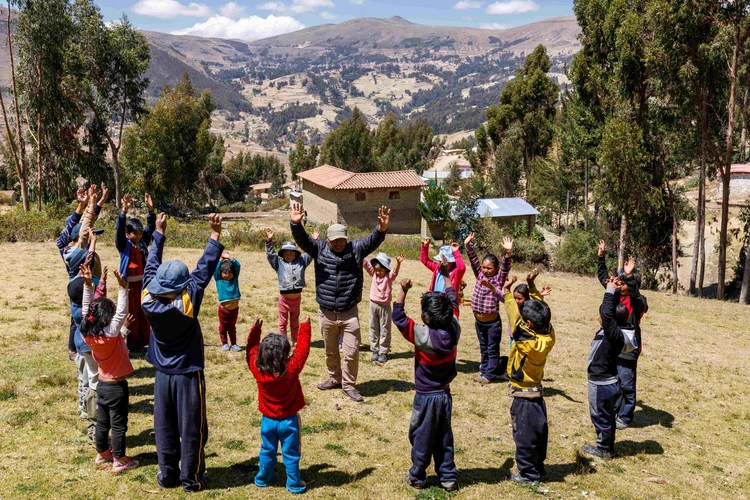
Since many languages do not yet have access to online information about the topics in the curriculum, there is a lot of information included that the teacher can choose to use. The lessons are organized in a way to allow the teacher to choose which activities to do based on the time, literacy level, and interest of the group.
HOW CAN WE USE IT?
The results of this course will be much greater if it is used as intended: separate parent, teen, and child groups followed by a Family Group Time to practice the skills together.
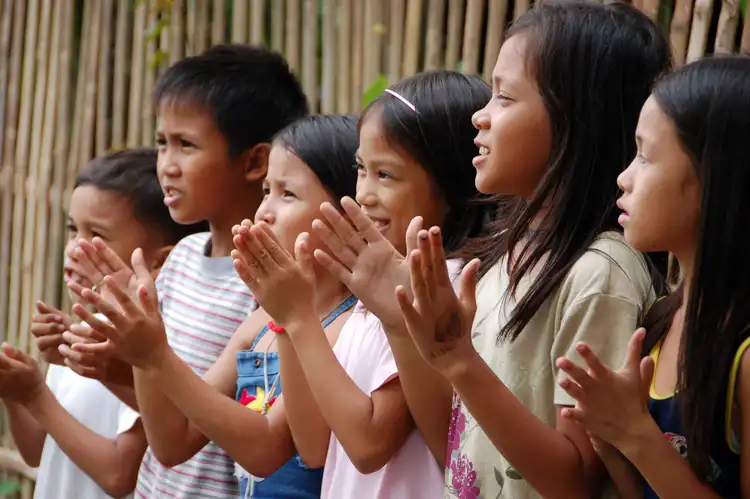
Having time to practice together as families during the class time ensures that they are more likely to use the skills together at home. However, this is not always possible, and the lessons have been used in many different contexts and group situations.
- Weekly sessions involving parents, teens, and children!
- Sunday School
- Family Retreats
- Youth Group, Youth Retreat
- Cell Groups
- Orphanages, Children’s Homes
- Drug rehabilitation
- Street Ministry, Evangelism
- Bible Schools
- IDP/Refugee camps
- Follow-up for trauma healing ministries
- Families repatriated after separation (due to trafficking or other reasons)